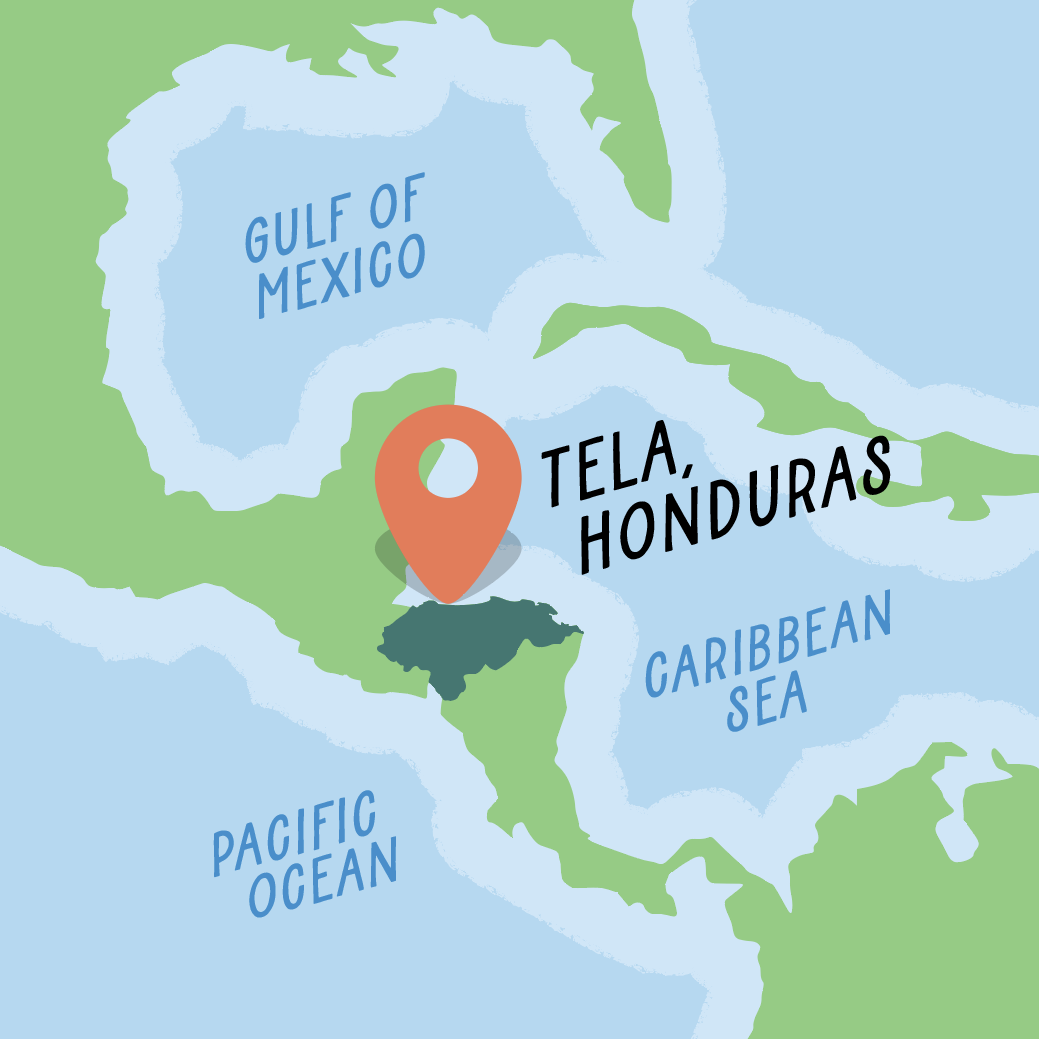
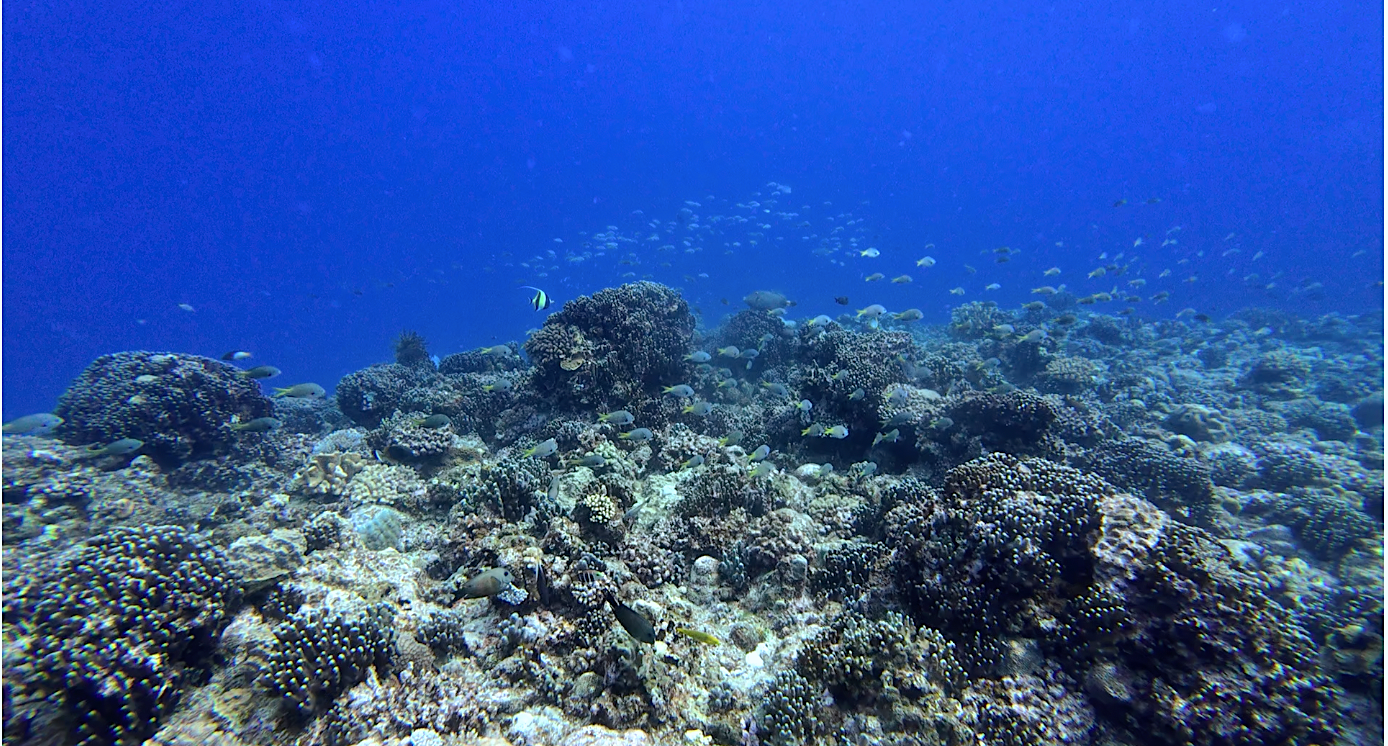
Nestled in the vibrant waters of the Caribbean lies a hidden gem of biodiversity and ecological health — the coral reef of Tela, Honduras.
In an era where the majority of coral reefs are experiencing degradation and decline, Tela’s reefs are a rare example of resilience and hope.
Tela Coral News
Beneath the Surface
Follow Us on Instagram
Tela’s new coral biobank is taking shape. The facility is being developed to safeguard living coral from Tela Bay and preserve their genetic diversity.
The construction update shows the main structure, a seawater cistern, space for coral raceways and a separate visitor deck. Tela Coral and Tela Marine are jointly developing the project with generous support from several grants and Music for the Ocean.
Explore the images and follow the build. Read the full update:
https://telacoral.org/biobank-construction-update/
Photo credit: Vinh Pham.
#TelaCoral #CoralBiobank #CoralConservation #Honduras #MarineScience
———
El nuevo biobanco de coral de Tela va tomando forma. La instalación se está desarrollando para proteger corales vivos de la bahía de Tela y conservar su diversidad genética.
La actualización muestra la estructura principal, una cisterna de agua de mar, espacio para los tanques de cultivo de coral y una plataforma separada para visitantes. Tela Coral y Tela Marine desarrollan conjuntamente el proyecto con el generoso apoyo de varias subvenciones y Music for the Ocean.
Explora las imágenes y sigue el avance de la obra. Lee la actualización completa:
https://telacoral.org/biobank-construction-update/
Crédito de las fotos: @vpham21
#TelaCoral #BiobancoDeCoral #ConservacionDeCorales #Honduras #CienciaMarina
@tela_marine @juliberwald @chadwickcannon @tiffmakeswaves


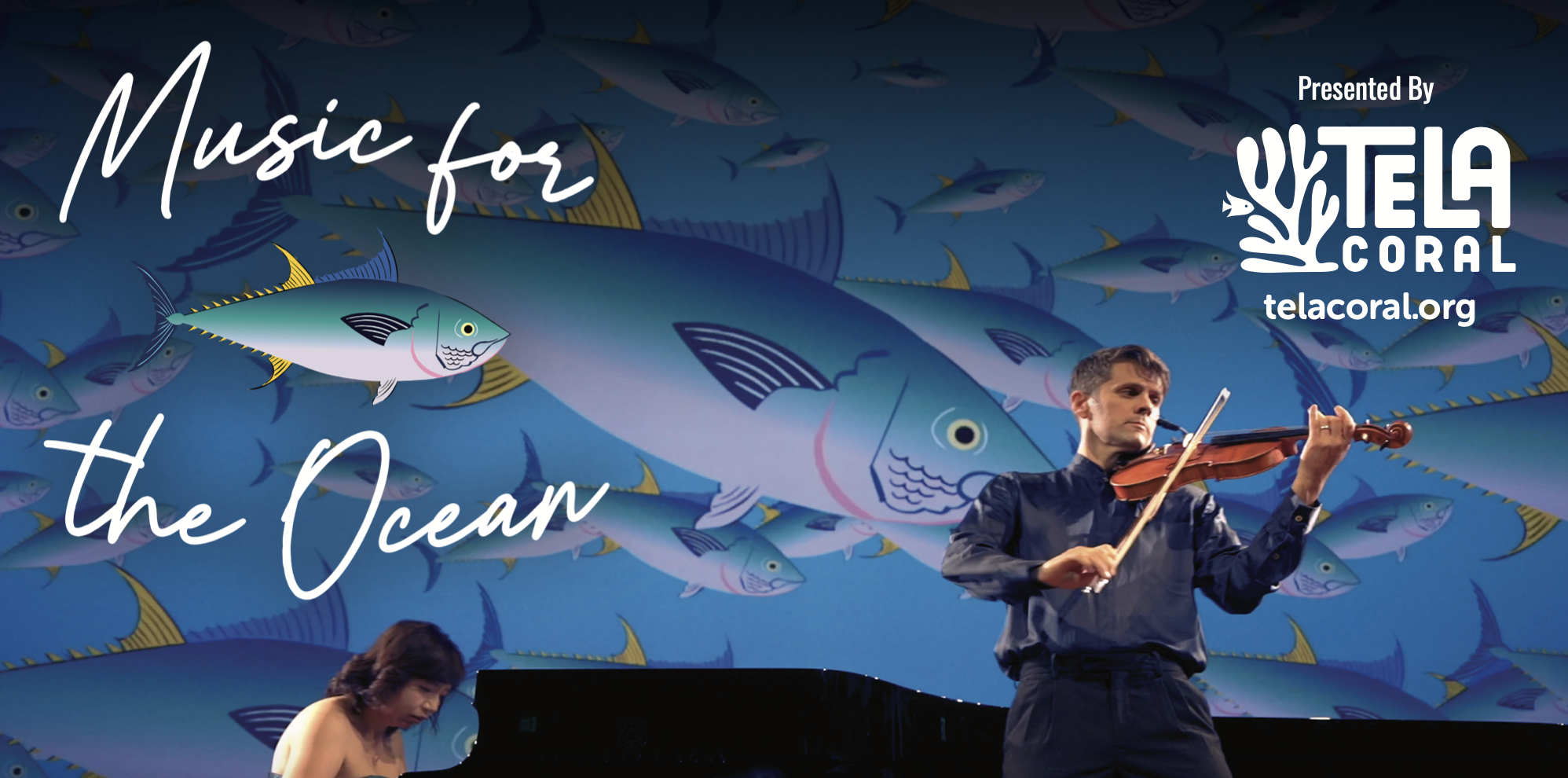
Music for the Ocean is having a Midwest moment! 🌊🎶
Join us Friday, October 9 at 7:00 p.m. at the Touhill Performing Arts Center’s Lee Theater in St. Louis.
Chad Cannon and Hui Wu will be joined by the Arianna String Quartet and harpist Cate Todd for an immersive performance combining live music, animation, cinematic imagery, sound and light.
The concert supports Tela Coral’s work to establish a coral gene bank and the first marine biology laboratory on the Honduran mainland.
—— ESPAÑOL ——
¡Music for the Ocean llega al Medio Oeste! 🌊🎶
Acompáñanos el viernes 9 de octubre a las 7:00 p. m. en el Lee Theater del Touhill Performing Arts Center, en St. Louis.
Chad Cannon y Hui Wu estarán acompañados por el Arianna String Quartet y la arpista Cate Todd en una experiencia inmersiva con música en vivo, animación, imágenes cinematográficas, sonido e iluminación.
El concierto apoya el trabajo de Tela Coral para establecer un banco genético de coral y el primer laboratorio de biología marina de la zona continental de Honduras.
🎟️ Get your tickets today / Compra tus entradas:
https://btpac.vbotickets.com/event/Tela_Coral_Presents_Music_for_the_Ocean_with_the_Arianna_String_Quartet/206800
#MusicForTheOcean #TelaCoral #StLouis #OceanConservation

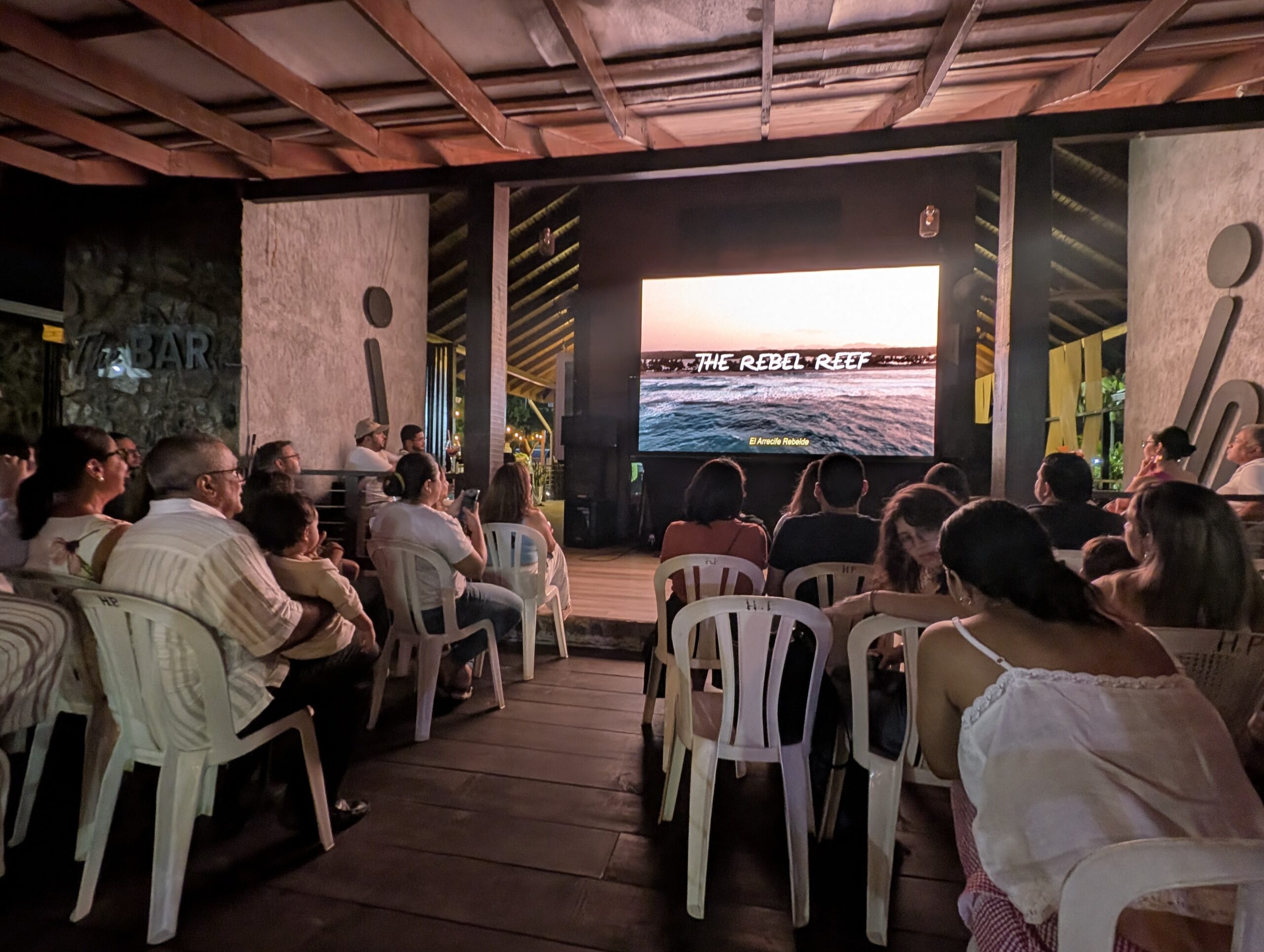
Barcelona, The Rebel Reef: Seeds of Hope is coming your way! 🌊🎬
Our film is part of the 2026 Love & Hope International Film Festival.
📍 Cinema Maldà, Carrer del Pi, 5
📅 Wednesday, October 14
🕒 Included in the 3:00–5:00 p.m. screening block
Check the official festival schedule for program details and tickets.
—— ESPAÑOL ——
¡Barcelona, The Rebel Reef: Seeds of Hope llega a tu ciudad! 🌊🎬
Nuestra película forma parte del Love & Hope International Film Festival 2026.
📍 Cinema Maldà, Carrer del Pi, 5
📅 Miércoles 14 de octubre
🕒 Incluida en el bloque de proyecciones de 15:00 a 17:00
Consulta el programa oficial para conocer los detalles y las entradas.
🎟️ Festival schedule and tickets / Programa y entradas:
https://www.lhifilmfestival.com/schedule-2026
Film still photo credit / Crédito del fotograma: Vinh Pham.
#RebelReef #TelaCoral #Barcelona #FilmFestival #OceanStorytelling

Headed down to Tela!
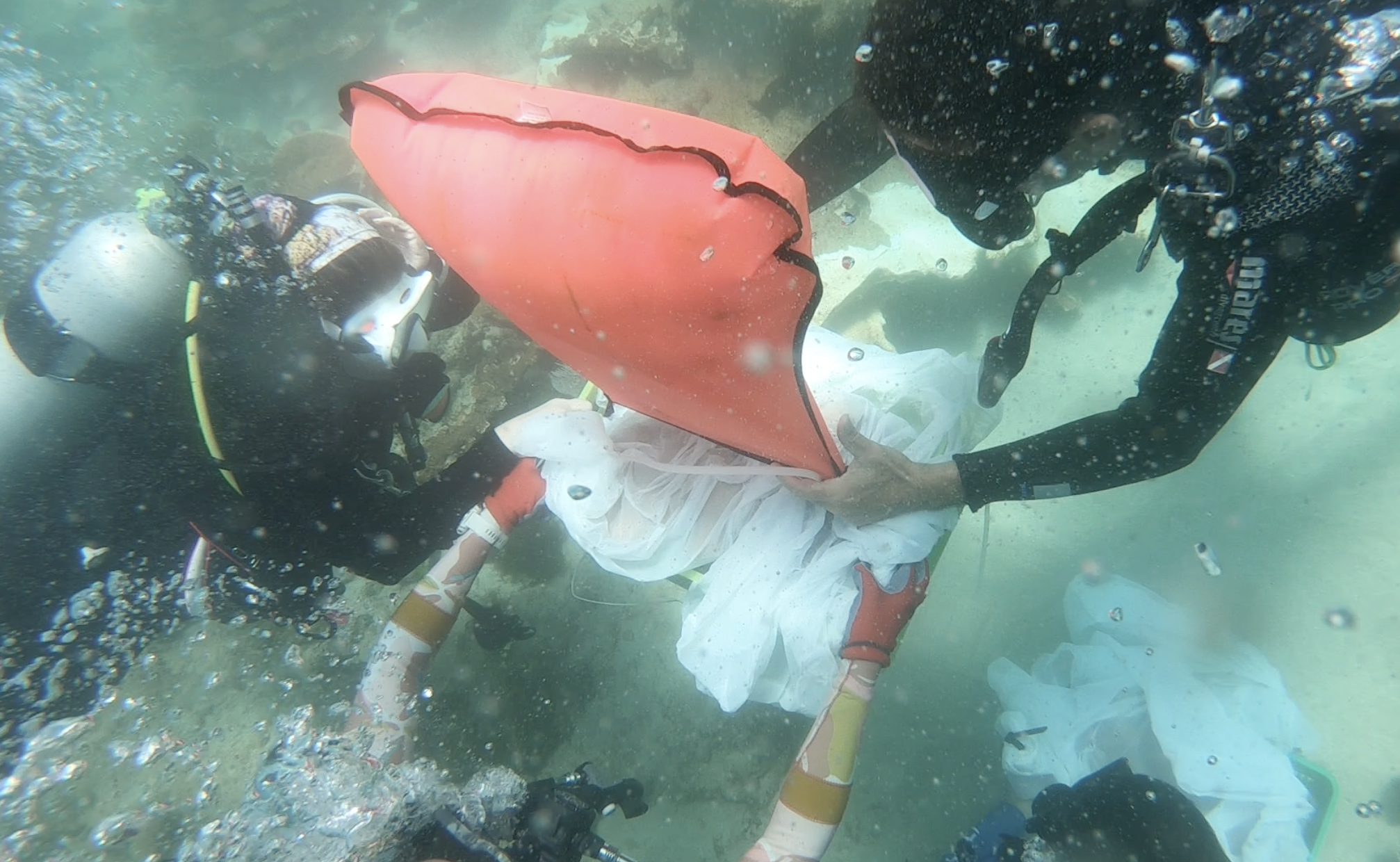
The team is packing up for the next phase of our work in Honduras, where we will be supporting coral spawning and settlement research, and ongoing efforts to protect the reefs of Tela Bay.
More from the field soon💙

A beautiful night in Tokyo celebrating our co-founder @juliberwald and the launch of her latest book, The Shell Seeker, at International House of Japan 💙
The evening also included a screening of Rebel Reef and a mini-concert from @chadwickcannon, with Nobuko Saito Cleary emceeing the event.
Thank you to the fabulous audience who made it a sellout night for Juli!
You can find The Shell Seeker wherever books are sold, or make a donation to Tela Coral and Juli will send you a signed copy!
