
After the emotion of the Tela premiere, we headed to nearby Utila with the film still very much on our minds. Our wonderful host Sabina Ibarra-Bolaños of Off the Dock Adventures organized two community screenings that have become my favorites of the bunch.
Barefoot in a Beach Bar
Our first Utila screening was at Neptune’s, a beach bar on the South side of the island. We arrived still salty, straight from the most glorious day of diving, dolphins, and hanging out at Water Cay. We walked into the bar barefoot in our swimsuits and coverups, set up a laptop on a couple of stools, and did our best to synchronize the two TVs. It was island life at its very best, and I was so happy to be a part of it.
Then people started arriving.
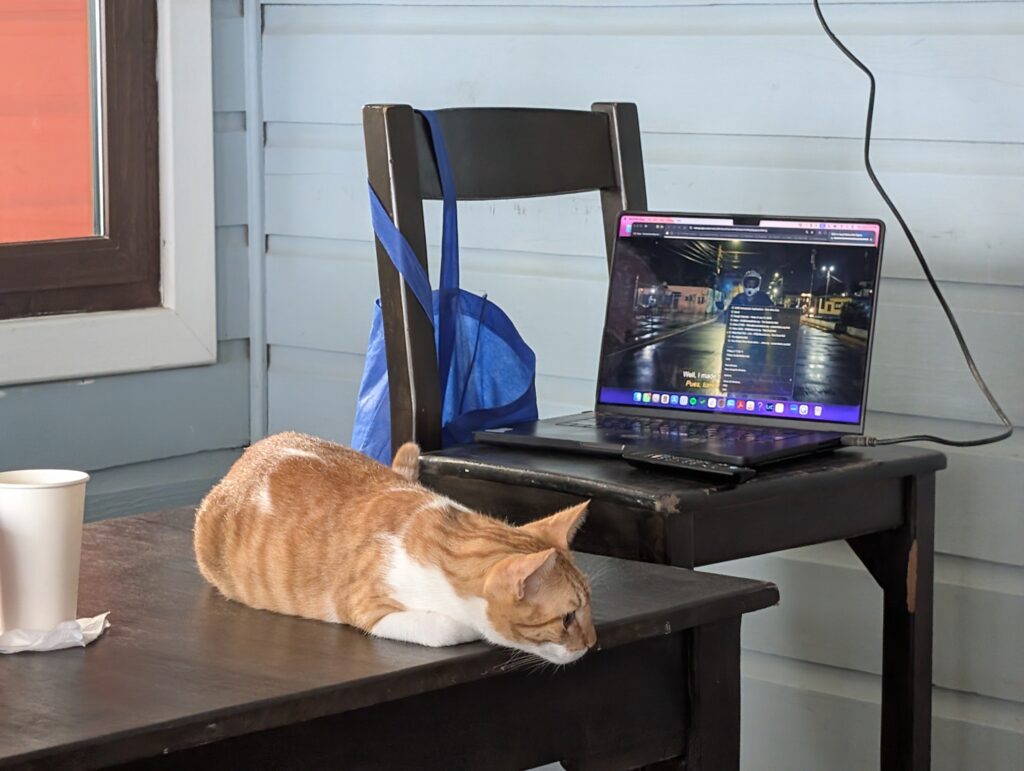
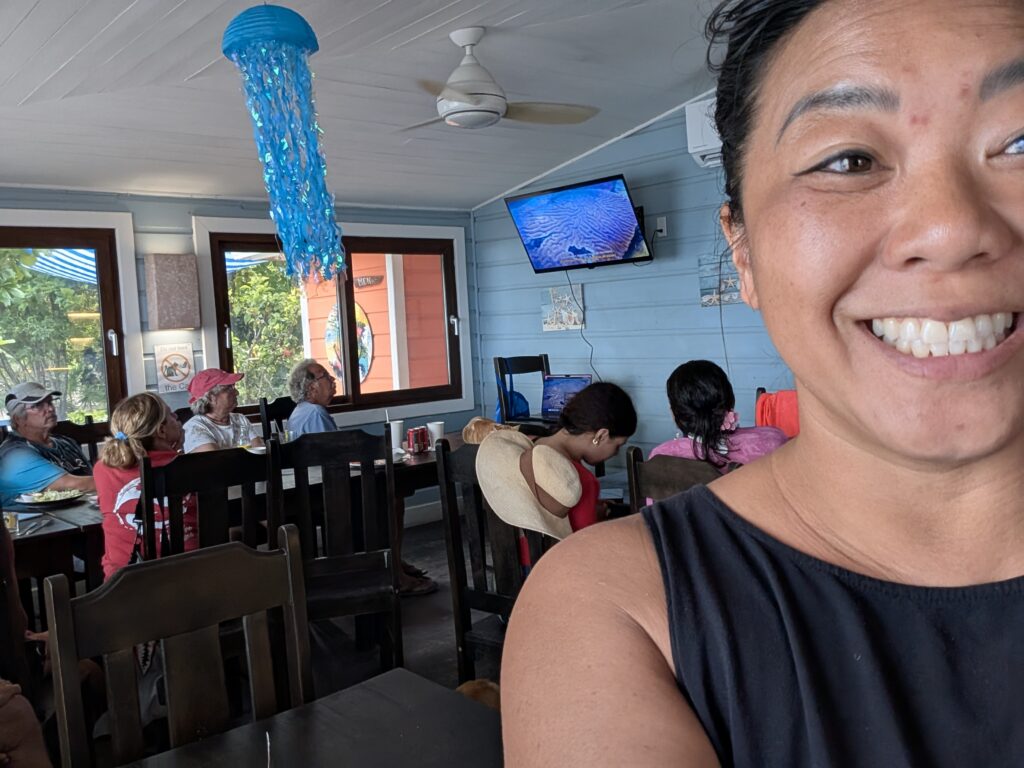
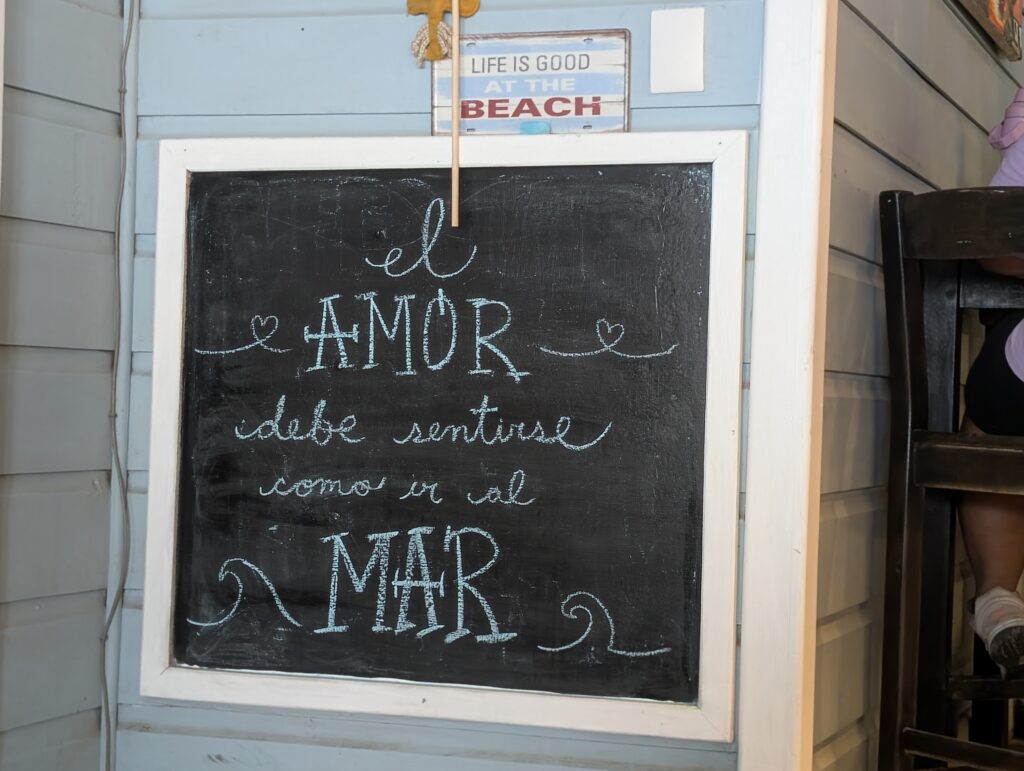
The crowd was a mix of expats, lifelong divers, and locals from other parts of Latin America. They were genuinely excited to see the film, but what I loved most was where the conversation went afterward: people wanted to know about Tela’s corals, why they are so resilient, what we are learning from them and, most importantly, how they could help. By the end of our chat, they were brainstorming everything from lobbying the government to support any scientific experiments to commandeering a boat to visit the Rebel Reef themselves. The energy was infectious and reminded me how infectious our film’s message of hope and resilience really is.
Daphné De Celles, our force of an impact producer, put it perfectly afterward: you don’t need everyone to show up. You just need the right people, the ones who care.
The Most Memorable Screening
Our second screening was at Kanahau Museum, a local nonprofit supporting biodiversity research, conservation, and environmental education in Utila. The museum and our friends there put together a wonderful evening, with food and drinks for sale to fundraise for the museum. The local Noticias y Opiniones Utila news channel came out, too, to interview us!
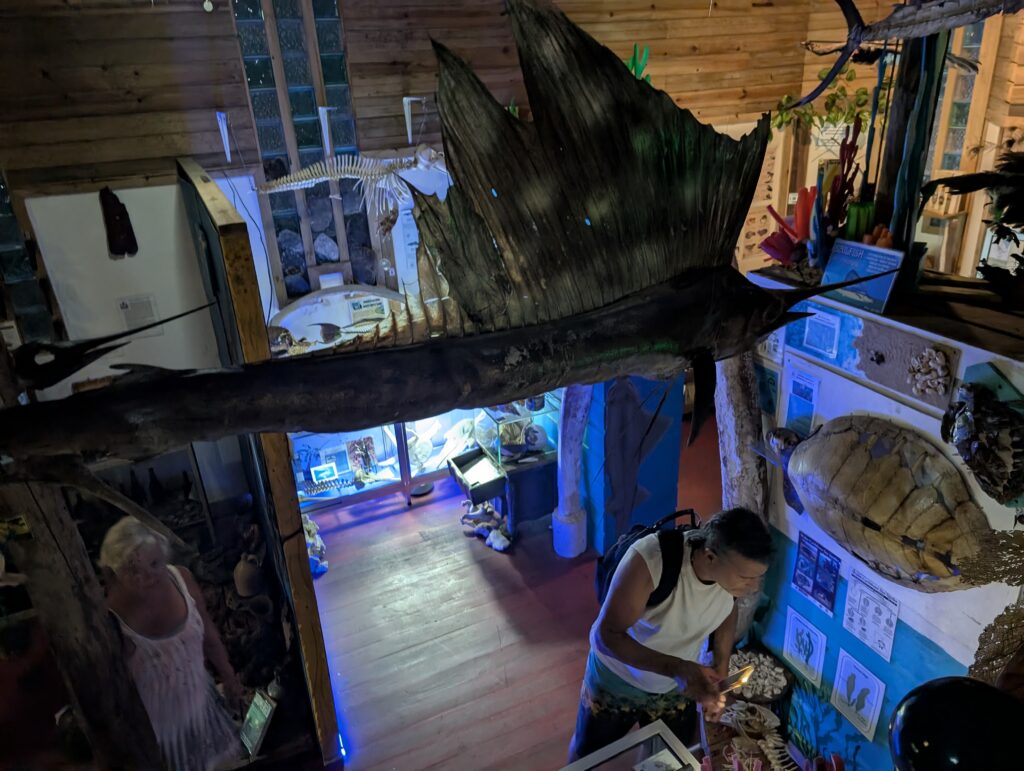
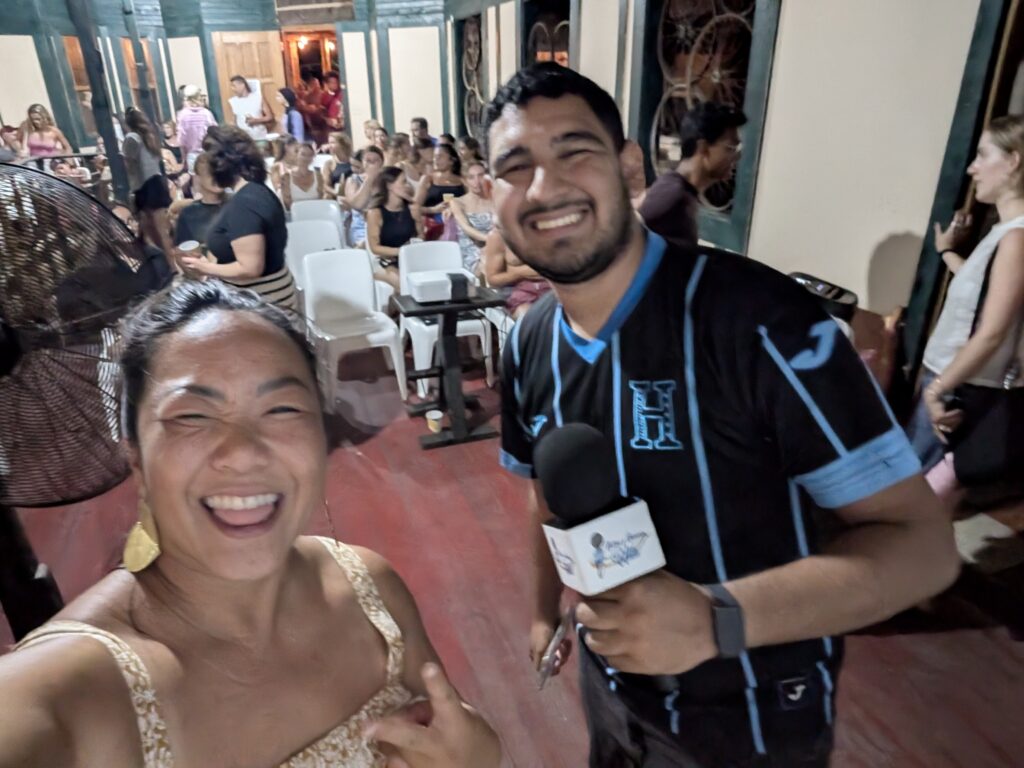
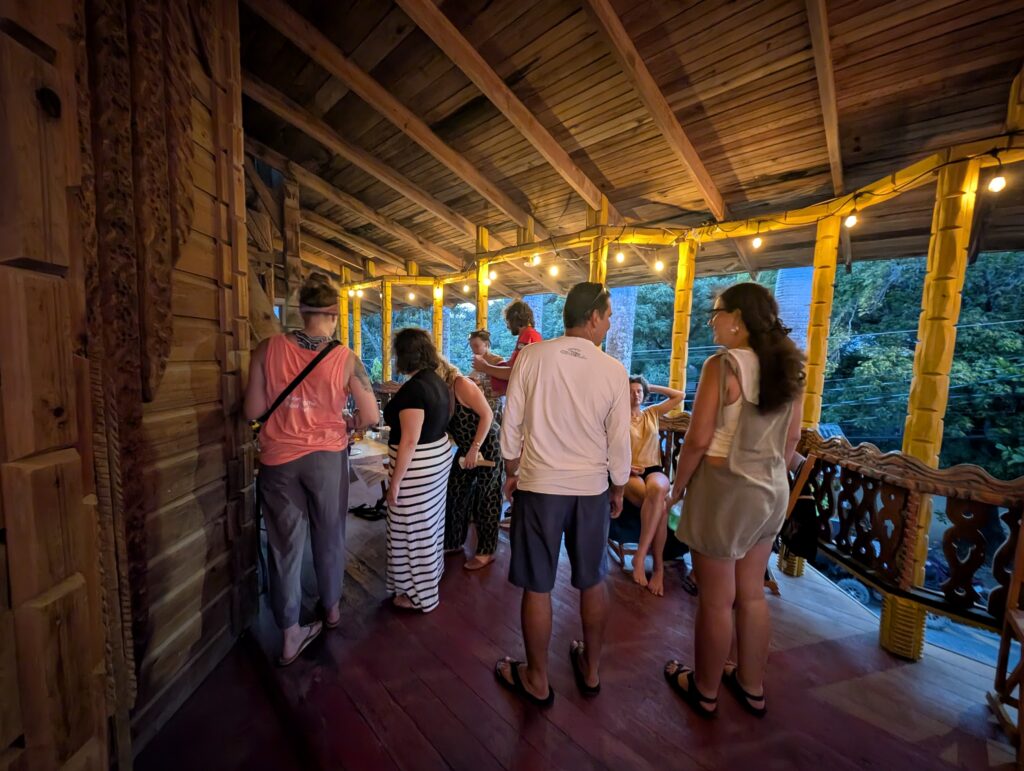
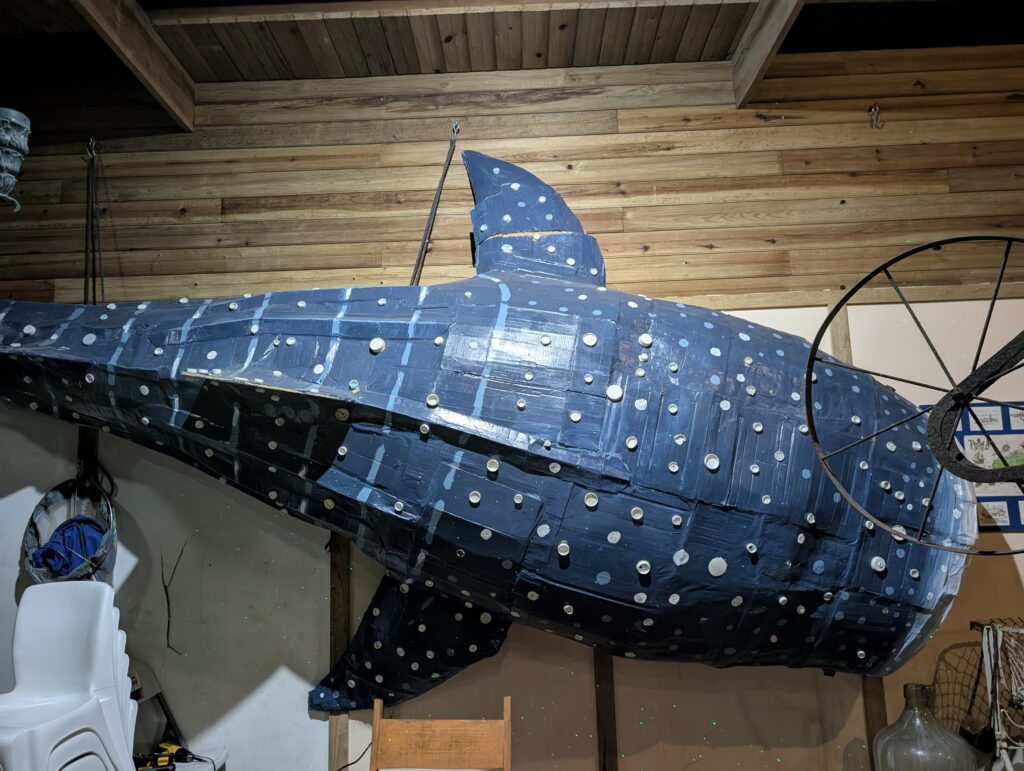
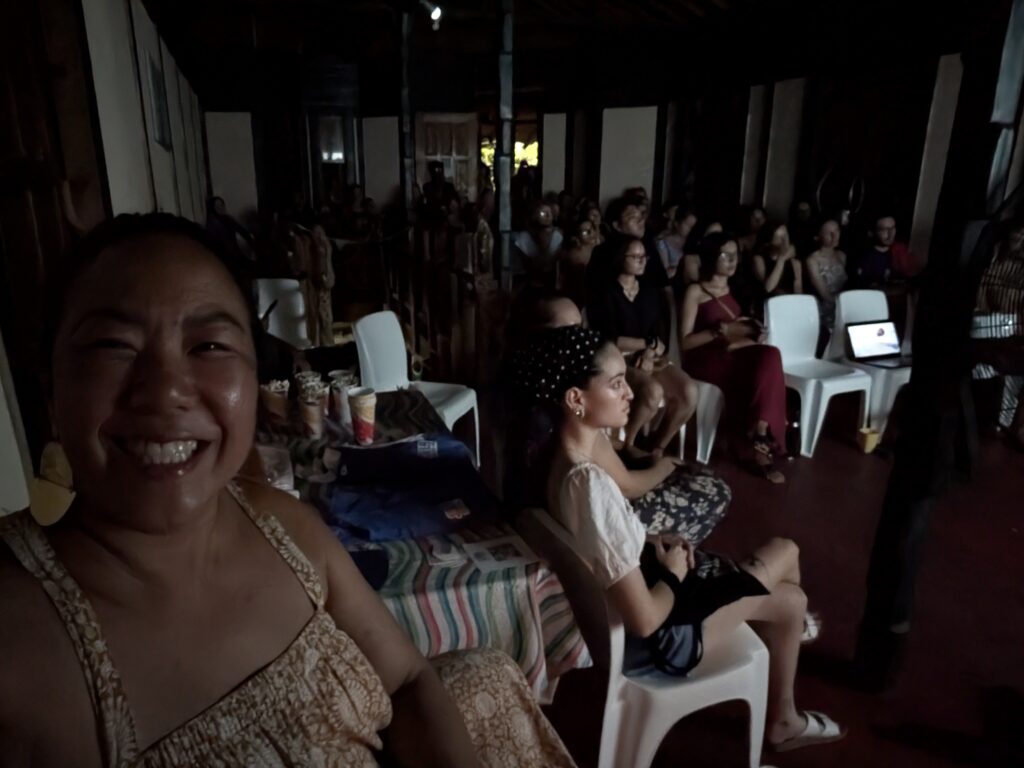
We filled the entire top floor with seats and people standing in doorways to see. Our tech help got us set up with a projector. And then we made it approximately one scene into the movie before the power went out.
As the room went dark and we all started overheating from the trapped heat, a knowing sigh escaped from the crowd because island life.
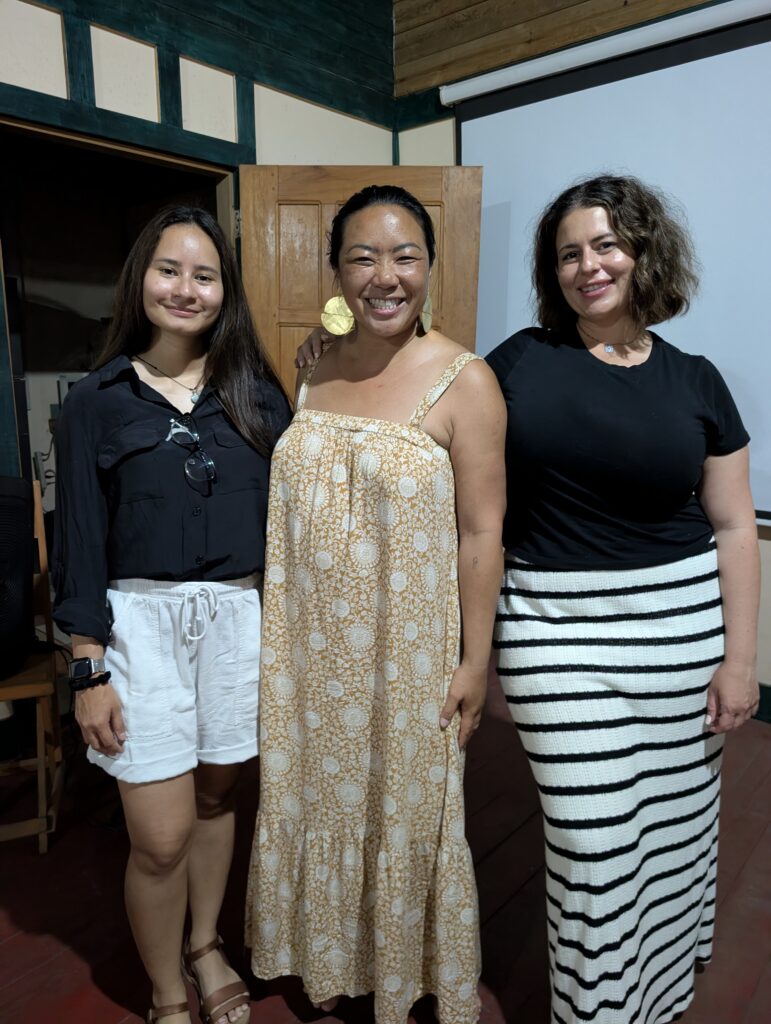
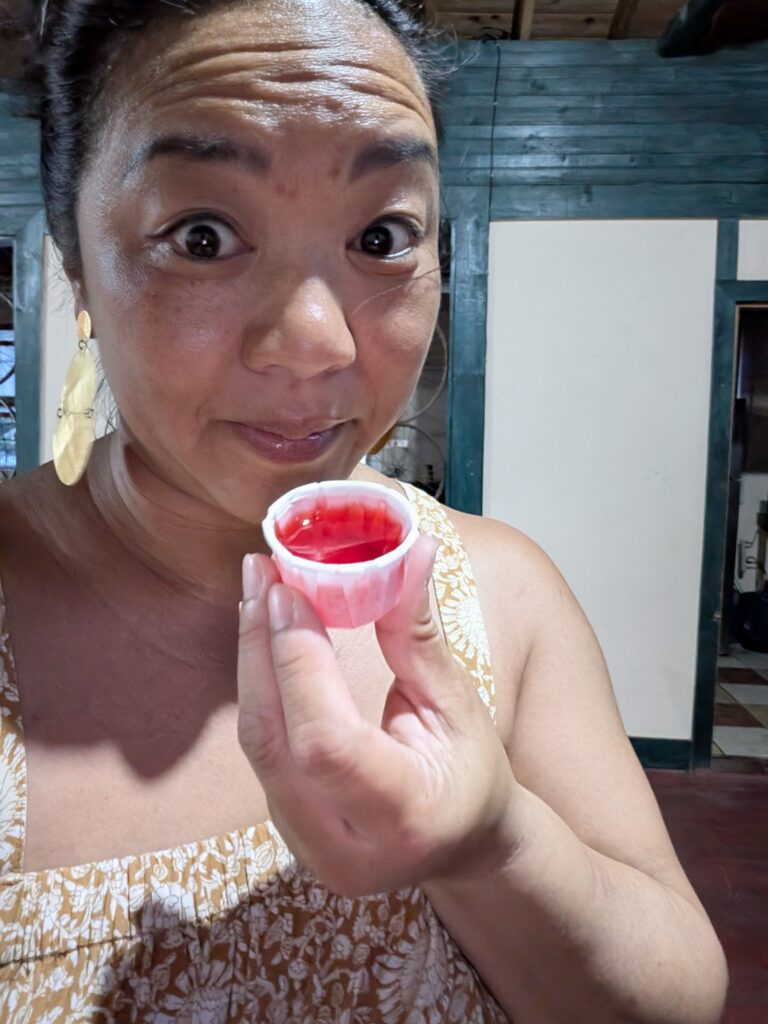
We patiently wandered out on the top deck to enjoy the breeze (and a few more jello shots) while waiting to find out whether the electricity would come back that night. Soon-ish, the power came back, the fans whizzed back on, and everyone settled in again to enjoy the film.
Senyacen Ramirez, who appears in The Rebel Reef and now works at WSORC on Utila, was in the audience. She had intentionally waited to see the film for the first time at a live screening, so I was especially happy to watch her reaction. Her friends immediately started calling her a movie star, which made her laugh. As far as we’re concerned, she absolutely is a star in every regard!
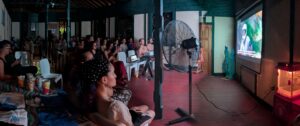
Afterward, Daphné and I hosted a Q&A with Senya. The audience was on fire! We talked about the film, the science, coral restoration, and what comes next. The discussions inspired us to keep thinking of new ways that these corals and this story could push forward.
It was extra special to have Daphné on stage with me. Having just spent time in Tela and on the Rebel Reef herself, she could finally speak about this incredible place from firsthand experience, and hearing her talk with such passion about what the reef and this film have meant to her stays with me, still.
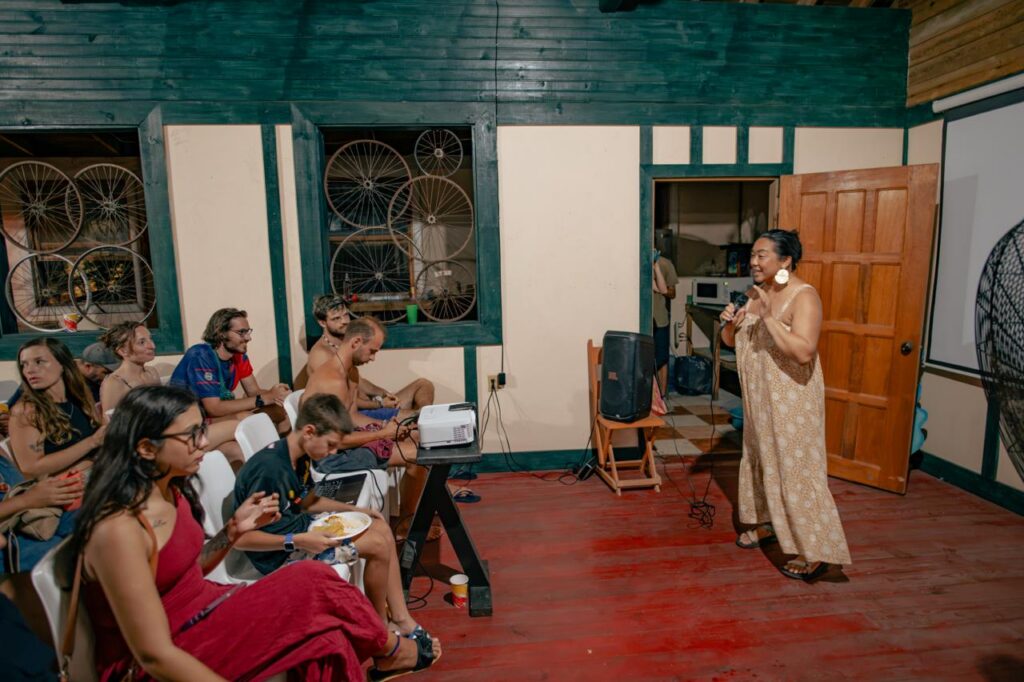
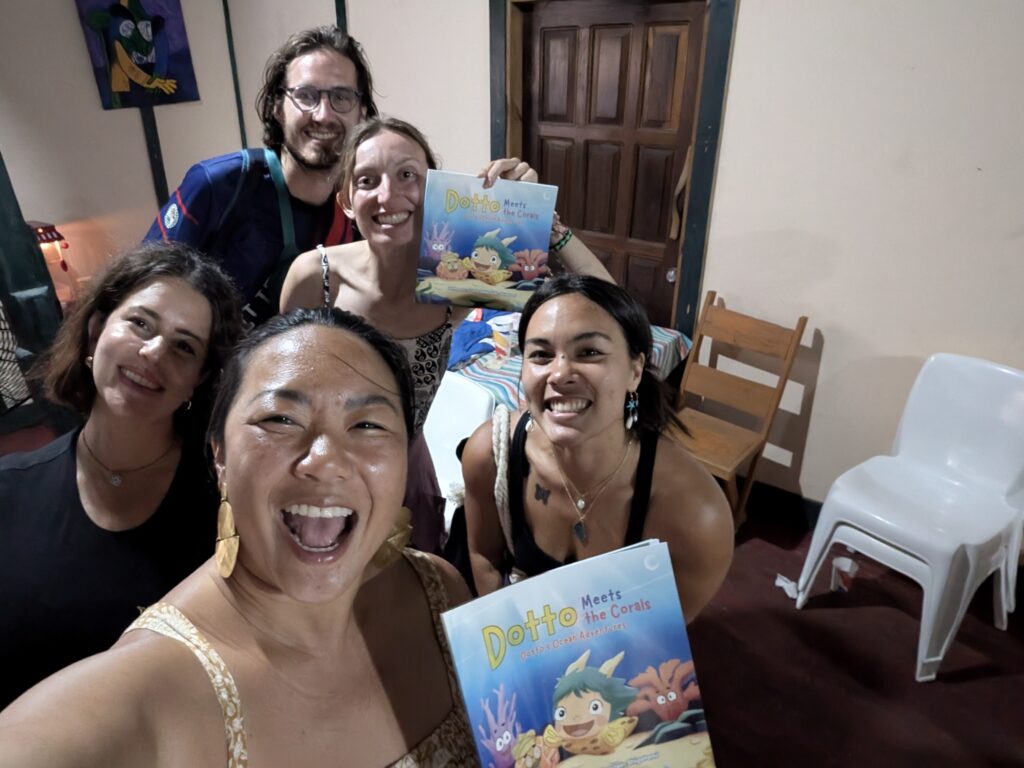
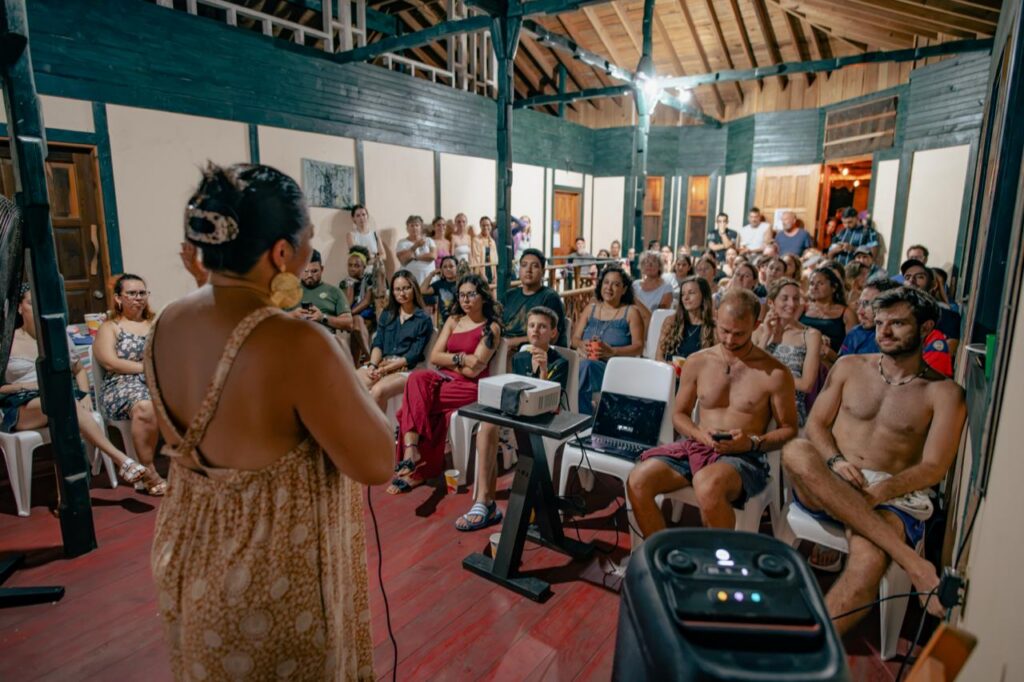
Sweaty, inspired, joyfully waiting out a power outage with great friends aligned in purpose and passion – for all these reasons, this has become the most memorable screening for me. There was truly nowhere else in the world I’d rather have been.
Our Why
The Rebel Reef was always meant to do more than tell the world that Tela has an extraordinary reef. We wanted Hondurans to see that, too. We wanted Christian’s story to come home. We wanted people to feel some of the pride and inspiration that we feel every time we descend onto that reef.
And, sitting in those audiences—in Tela, in Utila, barefoot at a beach bar, laughing with friends and answering questions about corals—I knew very clearly that this was the most important work the film could have ever done. This is who we made the film for and why we made the film in the first place.
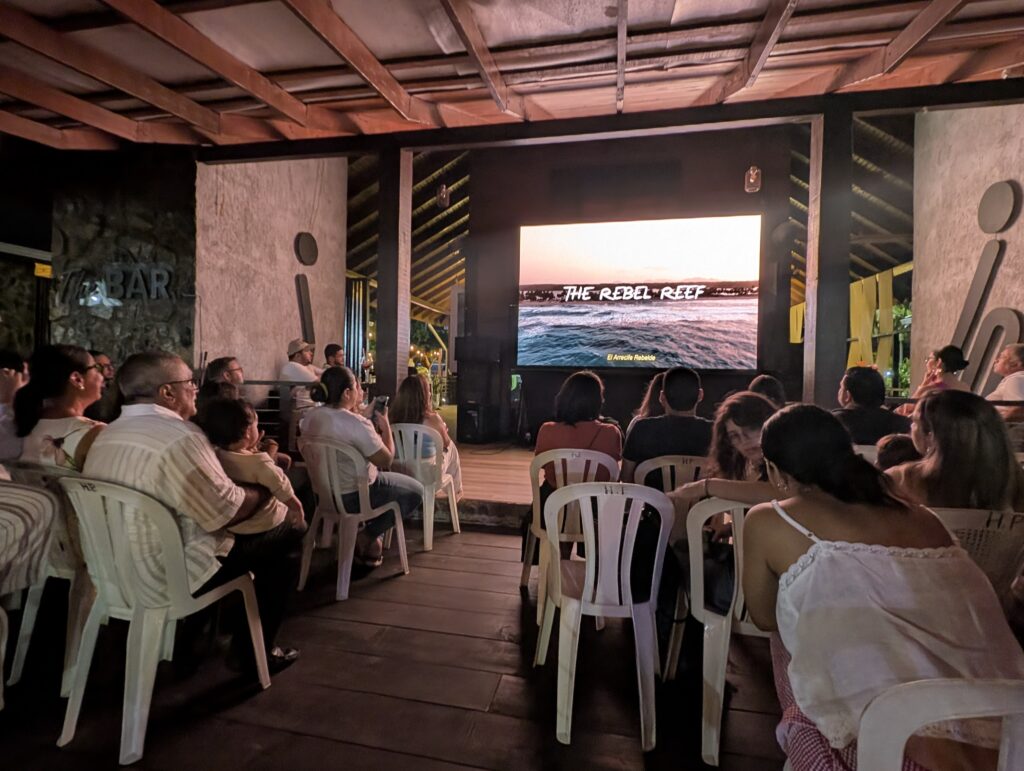
I’m still emotional thinking about it.
And, whatever work I do in this life in the future, I hope I am lucky enough to keep making things that leave me feeling this moved, this connected, and this ready to keep going.